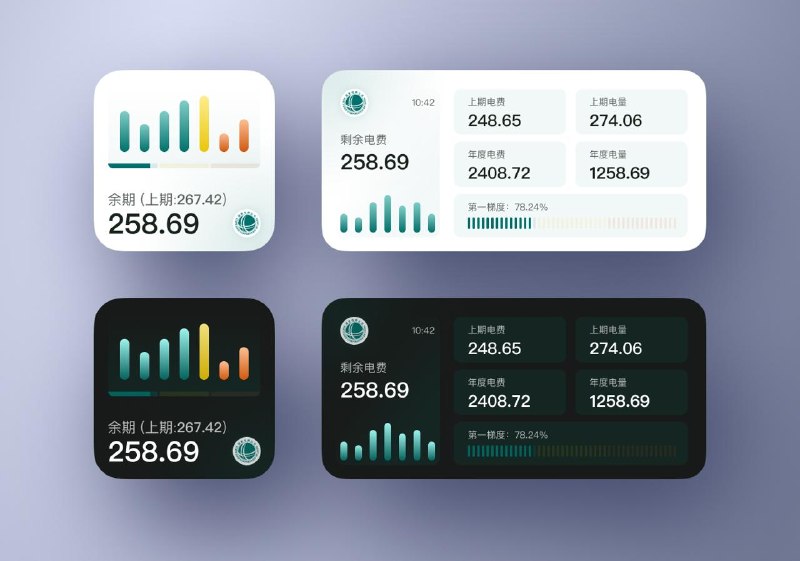
脚本:SGCC
版本:1.4.0
Scriptore:SGCC
感谢 stevenjoezhang/hass-state-grid、githubdulong/Script 让网上国网复活了
填写手机号和密码后预览,预览若收到新设备验证码,填写验证码后再预览
- ❤️4

填写手机号和密码后预览,预览若收到新设备验证码,填写验证码后再预览
 合集
 群组
 恰饭
 联系推广
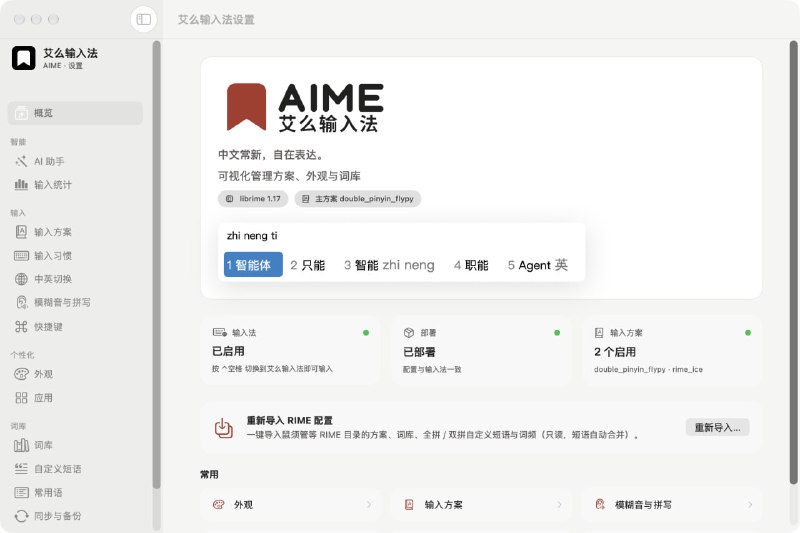
 #中文输入法 #macOS #RIME #开源 #AI
accept-incoming = true: other devices on your tailnet can connect to this device through its tailnet address. For example, they can use Surge's HTTP/SOCKS5 proxy or other services running on this device.advertise-exit-node = true: offer this device as an exit node. Other tailnet devices that select it send all their internet traffic through Surge's rules.advertise-routes = 192.168.1.0/24, ...: offer this device as a subnet router for the listed networks.accept-incoming = true: the peer side can open connections to this device through an existing tunnel.listen-port = 51820: Surge acts as a WireGuard server that phones, laptops, and other clients can connect to. A peer can leave out endpoint; Surge learns the client's address when it connects and keeps up when the address changes.SRC-IP to limit who can reach which destination.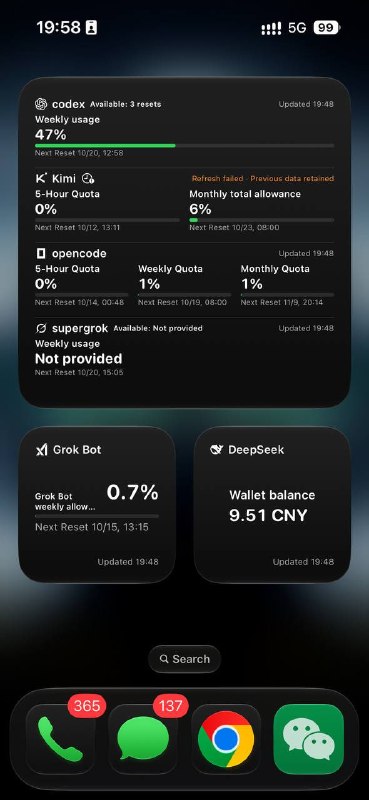
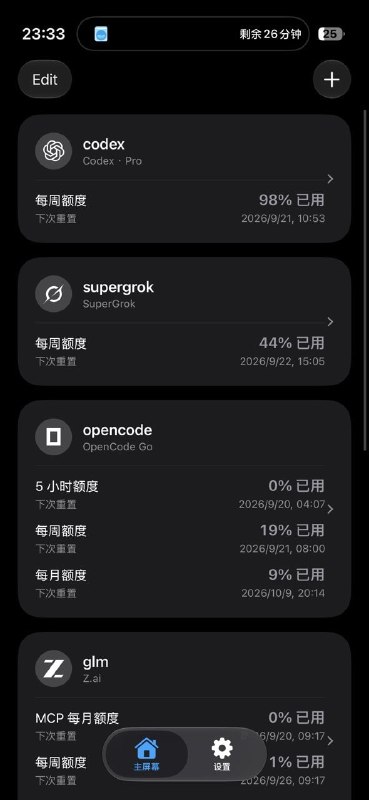 合集 群组 恰饭 联系推广#AI #iOS #AppleWatch #额度监控 #TokenPulse
特别说明:协议与设备令牌算法移植自 stevenjoezhang/hass-state-grid(MIT License, Copyright (c) 2026 stevenjoezhang)
参考来源:https://raw.githubusercontent.com/zhaohantao1360-hash/Hark/main/sgcc-hark.yaml
https://raw.githubusercontent.com/githubdulong/Script/master/Scriptable/SGCC.js
block-quic=adaptive for proxy policies. Surge blocks QUIC at first so the app falls back to HTTPS over TCP. If the app does not fall back within 1 second, as with apps that only support QUIC, QUIC is allowed for that host. Results are remembered per host. The option is also available in the proxy editor on Mac and iOS.block-quic=auto now uses adaptive mode for every policy except DIRECT, so QUIC-only apps keep working through proxies. Policies that cannot relay UDP still block QUIC.GET /v1/policies of the HTTP API now accepts the include_external=true query parameter. The response then contains an additional external-policies field that lists the policies loaded from external policy groups (policy-path). Each entry includes the policy name, the group it belongs to, and an identifier. Pass the identifier as the policy option of $httpClient to send a request through that policy, since external policies cannot be referenced by name. https://makerworld.com/zh/models/1753998-modular-segmented-shooting-belt-system 合集 群组 恰饭 联系推广 #3D #打印 #模型 #腰带 合集 群组 恰饭 联系推广 #抽奖
 合集 群组 恰饭 联系推广#空间音频 #Mac #Swift #CoreML #AI #开源项目 #GitHub
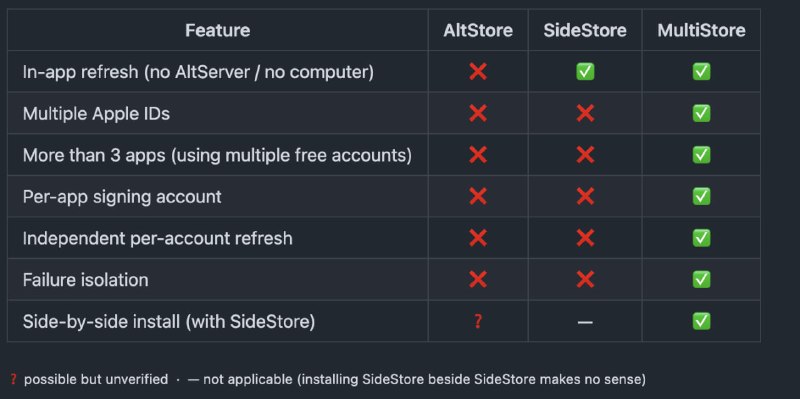 合集 群组 恰饭 联系推广#iOS #侧载 #AppleID #SideStore #GitHub